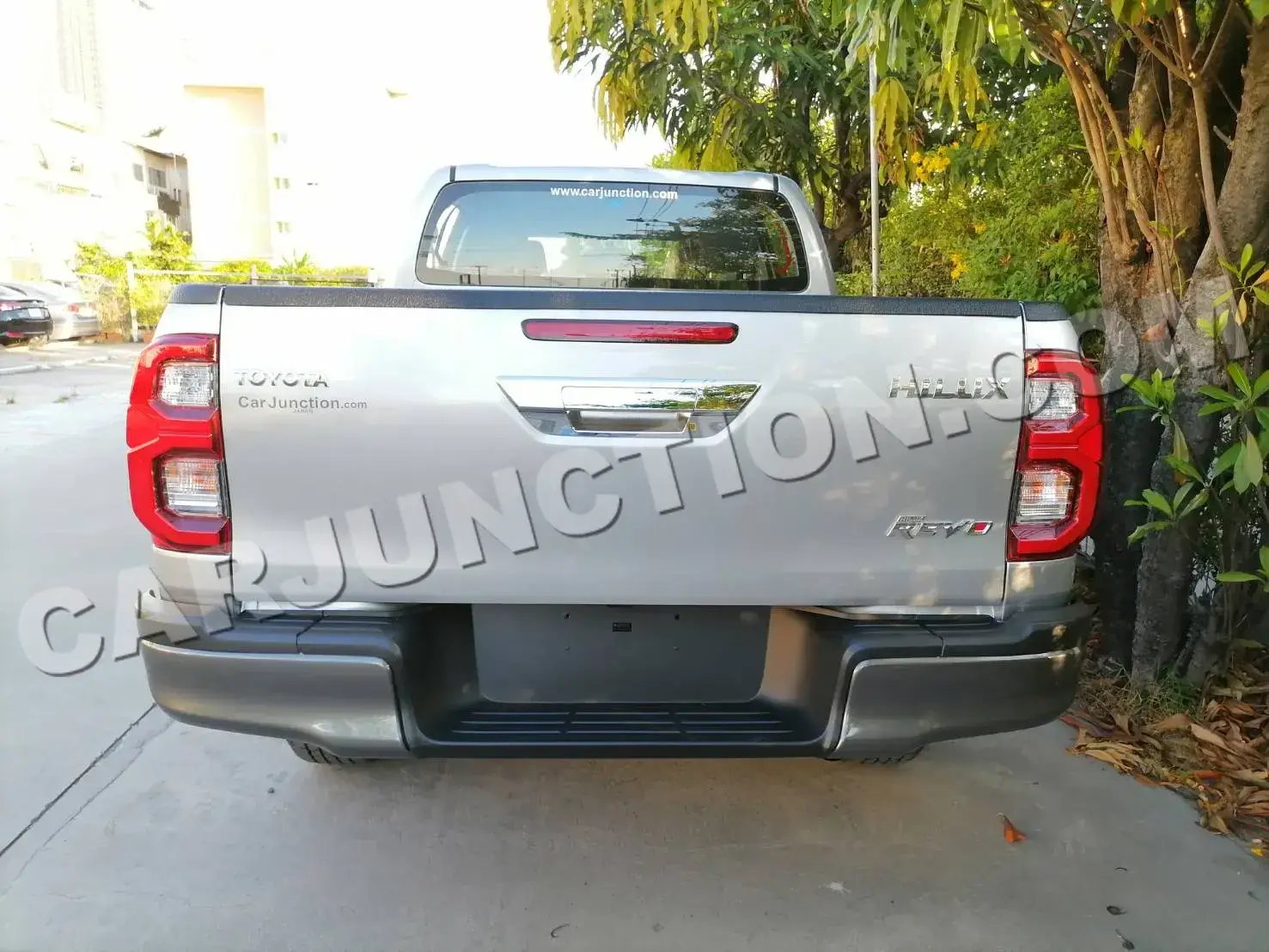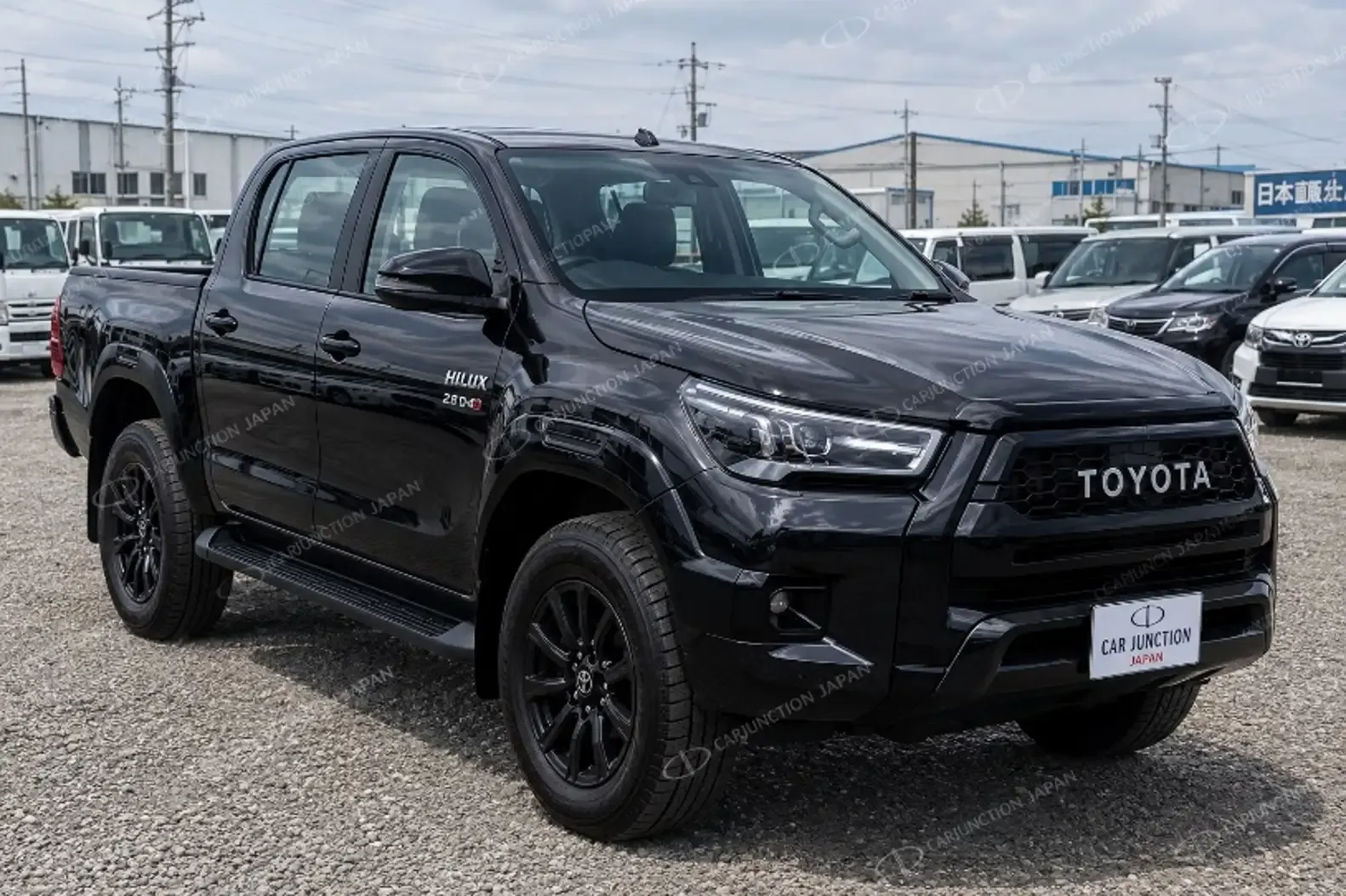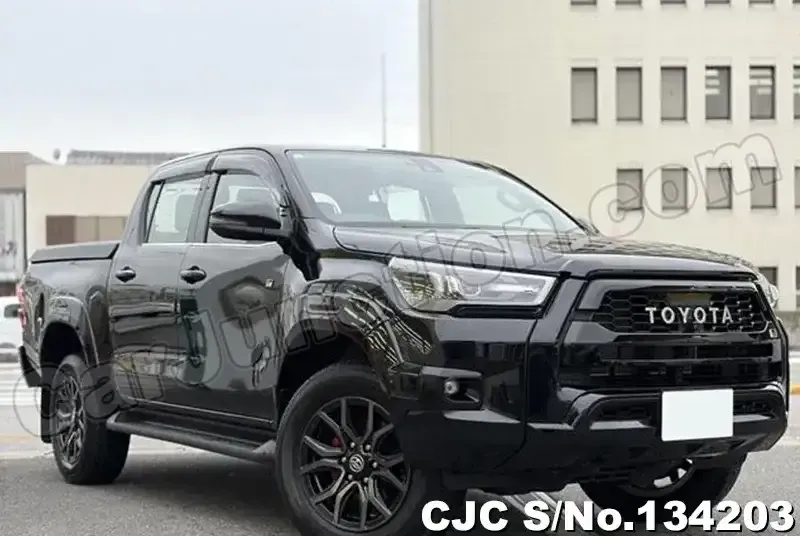
Toyota Hilux 2.4L vs 2.8L Diesel: Which Engine Should Tanzania Buyers Choose?

For most Tanzanian buyers, the Toyota Hilux 2.4L diesel offers the perfect balance of power, fuel efficiency, and lower import costs. The 2.8L is better suited for heavy-duty commercial needs. CarJunction Japan exports both engine variants directly from Japan to Dar es Salaam. Contact us on WhatsApp at +818010096000 for more details!

It’s a frequent question we get at CarJunction Japan: Should I choose the 2.4L or the 2.8L? Both are turbo-diesel engines, both are reliable, but they serve different needs. Choosing the right one is key to getting the best value.

Toyota Hilux 2.4L Diesel (2GD-FTV) for Tanzania

The 2.4L engine generates ~150hp and 400 Nm of torque. It’s perfect for most Tanzanian needs — family transport, small business delivery, game farms, and rural roads. It’s fuel-efficient and incurs lower import-related costs compared to the 2.8L variant.
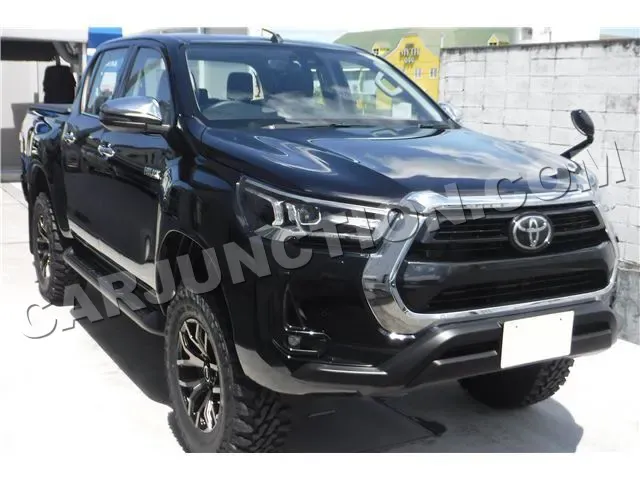
The 2GD-FTV engine is widely supported in Tanzania, with parts readily available through Toyota Tanzania dealers and independent suppliers in Dar es Salaam, Arusha, and Mwanza.

Toyota Hilux 2.8L Diesel (1GD-FTV) for Tanzania

The 2.8L engine delivers ~204hp and 500 Nm of torque. It’s ideal for buyers who:

  • Tow heavy trailers or agricultural equipment regularly
  • Drive in steep terrains like the Southern Highlands or Usambara Mountains
  • Manage commercial fleets requiring high load capacity
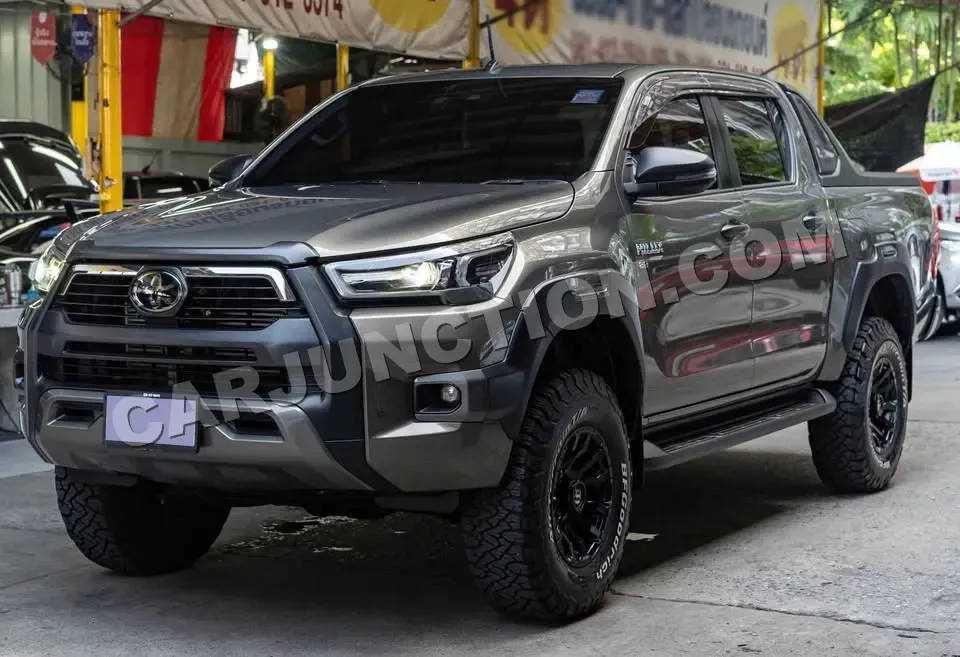
While the 2.8L offers superior performance, it comes at a higher cost — both in purchase price and fuel consumption.

Which Engine Is Right for You?

Feature2.4L (2GD-FTV)2.8L (1GD-FTV)
Power output~150hp~204hp
Torque400 Nm500 Nm
Fuel economyBetterSlightly lower
Purchase priceLowerHigher
Best use caseGeneral driving, mixed terrainHeavy commercial, towing

CarJunction Japan’s Recommendation for Tanzania

CarJunction Japan recommends the 2.4L diesel for most Tanzanian drivers. It’s more affordable, fuel-efficient, and perfectly suited for Tanzania’s varied road conditions. The 2.8L is a better choice for those with specific heavy-duty requirements. Whatever your needs, CarJunction Japan has you covered.

Contact CarJunction Japan via WhatsApp at +818010096000 to discuss your requirements or check availability of both variants!

Frequently Asked Questions

Is the 2.4L Hilux powerful enough for Tanzania’s rough terrain?

Absolutely. The 2GD-FTV engine offers excellent low-end torque, ideal for climbing highland gradients or navigating loaded off-road tracks.

Are spare parts for both engines available in Tanzania?

Yes! Both the 2GD-FTV and 1GD-FTV engines are well-supported by Toyota Tanzania and local suppliers.

Does CarJunction Japan export both engine variants to Tanzania?

Yes, CarJunction Japan exports both the 2.4L and 2.8L Hilux models straight from Japan.

Ready to order your next vehicle from Japan? Message us anytime on WhatsApp: +818010096000.
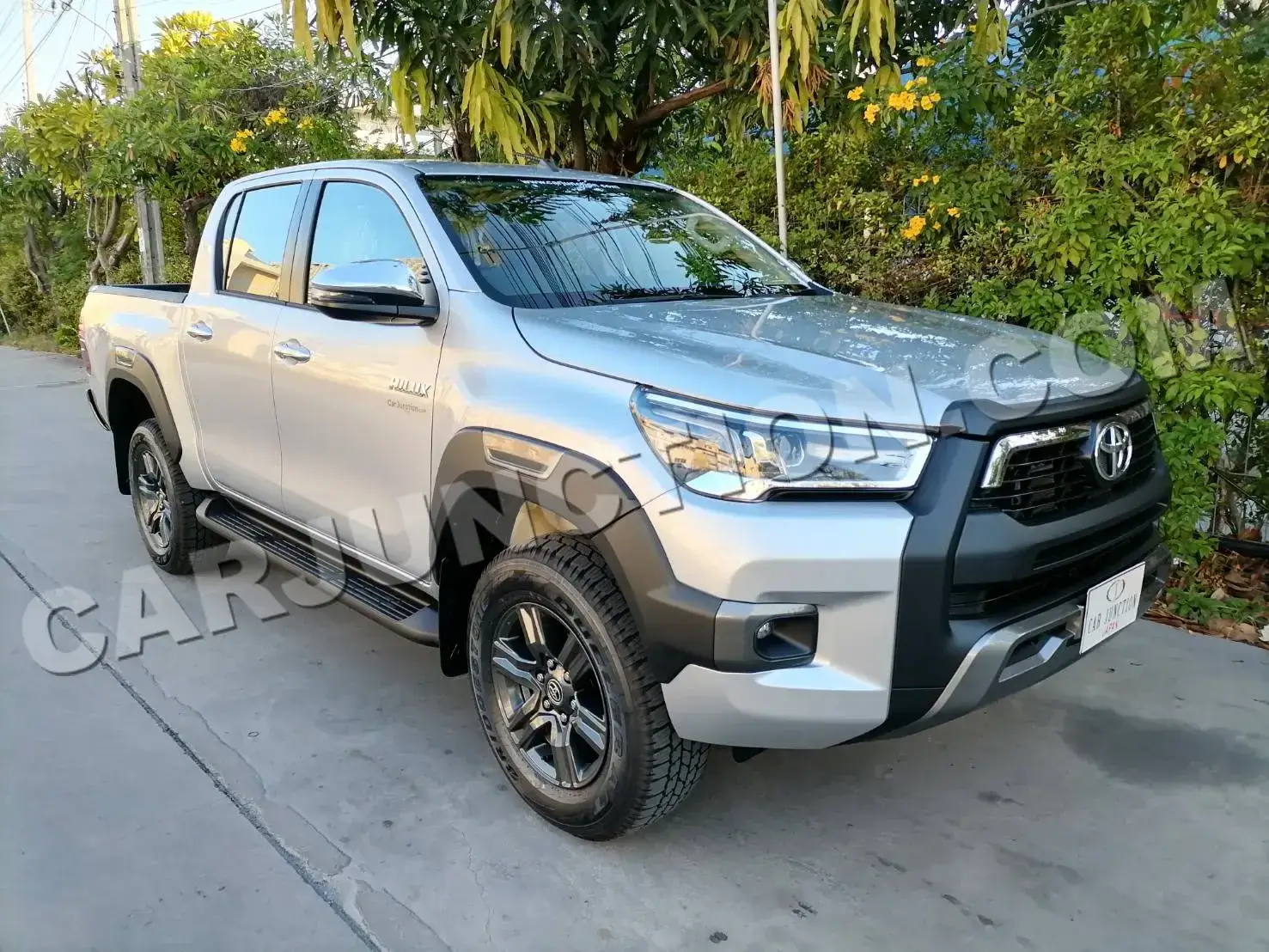
Toyota Hilux 2022 vs 2023 vs 2024: What’s Changed and Which Should Tanzania Buyers Choose?

Each Toyota Hilux model year (2022–2024) has seen improvements in safety, infotainment, and interior quality. CarJunction Japan exports all three to Tanzania, and your choice depends on budget and feature needs. Contact CarJunction Japan on WhatsApp at +818010096000 to find your perfect match.

Toyota Hilux 2022 vs 2023 vs 2024 - Front
Toyota Hilux 2022 vs 2023 vs 2024 - Back

If you’re importing a Toyota Hilux Japanese version to Tanzania through CarJunction Japan, you’ll notice all three model years — 2022, 2023, and 2024 — are available. Deciding between them means understanding the differences and similarities.

What Is Consistent Across All Three Years?

The 2.4L 2GD-FTV turbodiesel engine stays the same across 2022, 2023, and 2024 models. This uniformity ensures reliable performance, parts compatibility, and simple servicing. For Tanzanian buyers facing off-road conditions or limited mechanical support, this is a major advantage. And no matter the year, CarJunction Japan ensures reliable sourcing for Tanzania.

What Changed in Each Year?

2022 Toyota Hilux Japanese Version

The 2022 Hilux introduced upgraded Toyota Safety Sense (TSS) and improved suspension for better load handling. It’s the most affordable option, offering great value for Tanzanian buyers. Contact CarJunction Japan on WhatsApp at +818010096000 for pricing and availability.

2023 Toyota Hilux Japanese Version

The 2023 model offers refined interiors, improved multimedia connectivity, and reduced noise at highway speeds. It’s perfect for those seeking updated features at a fair price. Check with CarJunction Japan for availability!

2024 Toyota Hilux Japanese Version

The latest in CarJunction Japan’s inventory, the 2024 Hilux comes with advanced safety features and updated digital displays. While it’s the most expensive, it offers the best modern features for tech-savvy buyers.

Which Year Best Suits Tanzania’s Driving Conditions?

For Tanzania’s off-road and rural roads, the engine is key — and all models share the same reliable engine. Your choice comes down to budget and desired features:

Model YearRecommended For
2022Budget-conscious buyers, commercial fleet operators
2023Buyers wanting better tech at a mid-range price
2024Buyers prioritizing the latest safety and infotainment

Frequently Asked Questions

Does the 2024 Hilux handle Tanzanian terrain better than the 2022?

Not significantly. Off-road performance depends on the engine, suspension, and 4WD system, which are unchanged across 2022–2024.

Is the price difference between 2022 and 2024 big?

Yes, the difference can be significant. CarJunction Japan can share year-by-year pricing for a detailed comparison.

Which year does CarJunction Japan recommend for Tanzania buyers?

For most buyers, CarJunction Japan recommends the 2022 or 2023 as they offer excellent value without sacrificing capability.

Contact CarJunction Japan today via WhatsApp at +818010096000 for expert advice and availability on your Toyota Hilux! CarJunction Japan is here to help you find the perfect vehicle for Tanzanian roads.

Why the Toyota Hilux 2.4L Diesel is the Best Pickup Imported from Japan to Tanzania

The Toyota Hilux 2.4L diesel is Tanzania’s top choice for imported pickups due to its off-road strength, fuel efficiency, and unmatched reliability. CarJunction Japan provides 2022–2024 models directly to Dar es Salaam. Contact us on WhatsApp at +818010096000 to place your order today!

Tanzania continues to be one of the leading markets in East Africa for Japanese vehicle imports, and the Toyota Hilux is firmly at the top of the list. Whether you’re driving through Dodoma, Mwanza, or the southern highlands, the Toyota Hilux is a trusted name everywhere.

CarJunction Japan delivers top-condition 2022, 2023, and 2024 Hilux models directly from Japan’s domestic market to Tanzania. Ready to upgrade? Reach out to us today on WhatsApp at +818010096000!

Why Do Tanzanians Prefer the Hilux 2.4L Diesel?

Tanzania’s diverse and challenging terrain requires a vehicle that can handle it all, and the Toyota Hilux 2.4L Diesel stands out for several reasons:

  • Superior off-road performance – With 279mm ground clearance and a reliable 4WD system, it’s built to conquer seasonal floods, soft terrain, and challenging routes in Tanzania.
  • Diesel efficiency – The Hilux runs on diesel, which is easily available even in remote areas like Singida or Tabora.
  • Heavy-duty load capacity – Perfect for agricultural and commercial use, the Hilux can carry up to 1,000kg in its load bed.
  • Affordable maintenance – The 2GD-FTV engine is simple to service, with parts widely available throughout Tanzania.

For a reliable truck that meets all these needs, CarJunction Japan is your trusted source. Message us now on WhatsApp at +818010096000 to get started!

How CarJunction Japan’s JDM Hilux Models Stand Out

CarJunction Japan provides Japanese domestic market (JDM) Hilux models that are:

  • Lower mileage compared to similar vehicles in the local Tanzanian market
  • Better maintained, thanks to Japan’s strict Shaken inspection system
  • Accompanied by detailed auction inspection reports, ensuring complete transparency for buyers

These advantages make CarJunction Japan the go-to choice for Tanzanian buyers seeking quality and reliability. Don’t wait—contact us on WhatsApp at +818010096000 to discuss your specific requirements.

Popular Hilux Configurations in Tanzania

CarJunction Japan buyers in Tanzania tend to prefer these configurations:

  • 4WD Double Cab Z Grade – A premium configuration with advanced comfort, safety, and convenience features.
  • 4WD Double Cab GR Sport – A sportier variant with upgraded styling, suspension, and performance-oriented features.
  • 2022 and 2023 Models – Offering an excellent balance of price, reliability, and modern features.

Frequently Asked Questions

Why is the Hilux more popular than other pickups in Tanzania?

Its unbeatable off-road capability, diesel efficiency, and long-term reliability make it a standout choice compared to rivals like the Ford Ranger or Mitsubishi Triton.

Does CarJunction Japan provide inspection reports?

Yes! Every vehicle exported by CarJunction Japan includes a Japanese auction inspection report that clearly outlines its condition.

Can I request a specific colour or trim?

Absolutely. CarJunction Japan can source specific colours and trims from Japanese auctions, though delivery times may vary.

For all your vehicle needs from Japan, contact CarJunction Japan on WhatsApp at +818010096000!

Toyota Hilux Japanese Version 2022–2024 (2.4L Diesel): Complete Buyer’s Guide for Tanzania

The Toyota Hilux Japanese version (2022–2024) with a 2.4L diesel engine is one of the most popular pickups imported from Japan to Tanzania. CarJunction Japan exports this vehicle directly to Dar es Salaam and other Tanzanian ports, offering buyers reliable, well-documented vehicles at competitive prices. For inquiries, contact us on WhatsApp at +818010096000.

Tanzania’s roads demand a vehicle that can handle it all. From the tarmac of Dar es Salaam to the rugged tracks of the Serengeti and the steep highland roads near Arusha and Mbeya, pickups like the Toyota Hilux Japanese version are the ultimate choice. CarJunction Japan specializes in exporting 2022, 2023, and 2024 Toyota Hilux models from Japan to Tanzania, providing low-mileage vehicles with full Japanese auction history reports.

What Engine Powers the Japanese Hilux Exported to Tanzania?

Every Hilux exported by CarJunction Japan to Tanzania is powered by the 2.4L 2GD-FTV common-rail turbodiesel engine, delivering 150hp and 400 Nm of torque. This engine is ideal for Tanzania’s diverse conditions — steady highway speeds on the TANZAM highway, heavy-duty loads on rural roads, and slow off-roading on national park trails.

Diesel fuel is widely available across Tanzania, even in remote areas, making the 2.4L turbodiesel both practical and reliable. For inquiries, reach out on WhatsApp: +818010096000.

What Trim Levels Does CarJunction Japan Source for Tanzania?

CarJunction Japan stocks a range of configurations tailored to Tanzanian buyers:

  • Z Grade – Full leather interior, Toyota Safety Sense, LED lighting
  • X Grade – Affordable, practical, and perfect for fleet or commercial use
  • 4WD versions – Ideal for buyers traveling outside Dar es Salaam

How Does the Import Process Work for Tanzania?

CarJunction Japan simplifies the import process by shipping directly to Dar es Salaam Port. Here’s how it works:

  1. Browse available Toyota Hilux models with inspection reports.
  2. Confirm your preferred year, model, and trim.
  3. Receive a CIF (Cost, Insurance, Freight) quote to Dar es Salaam.
  4. Complete the purchase and track your shipment.

Tanzania’s import duties depend on the vehicle’s age and engine size. CarJunction Japan can guide buyers through the process and help estimate costs. Message us on WhatsApp: +818010096000.

Why Choose CarJunction Japan for Your Tanzanian Hilux Import?

CarJunction Japan is a trusted name in East African vehicle exports, with Tanzania as one of its most active markets. Buyers get full auction reports, transparent pricing, and direct communication — ensuring peace of mind throughout the purchase process. With years of experience, CarJunction Japan is the go-to platform for importing Japanese vehicles to Tanzania.

Frequently Asked Questions

Is the right-hand drive Hilux legal in Tanzania?

Yes. Tanzania drives on the left, so right-hand drive JDM vehicles from CarJunction Japan are perfectly road-legal.

What port does CarJunction Japan ship to in Tanzania?

CarJunction Japan ships to Dar es Salaam Port. Buyers clear the vehicle through Tanzanian customs.

Is the 2.4L engine suitable for Tanzania’s terrain?

Absolutely. The 2GD-FTV engine provides strong low-end torque, perfect for navigating highland gradients near Kilimanjaro and rough safari-area roads.

Want the best vehicle import experience? Contact CarJunction Japan on WhatsApp: +818010096000 today!

Stock Clearance Sale

Used Cars Stock for Tanzania

Huge Discounts on All Used Cars Stock, Readily Available in Dar-es-salaam, Tanzania.

Car Junction Tanzania – supplier/dealer of Japanese used cars and the commercial vehicles, is going to start a HUGE DISCOUNTED OFFER from Feb 1, 2019. Get a test drive make payment and get delivery on an immediate basis. Don’t waste your time and get this offer for a limited time. So Hurry up !!!

We have a huge stock of second-hand cars made by top Japanese and non-Japanese brands like Toyota, Honda, Ford, Subaru, Mitsubishi, Nissan, BMW, and Mercedes Benz.

For Quick response WhatsApp us 0658-666-111

or

Visit our Dar-es-Salaam Office:

A14, EPZ Ubungo Industrial Area, Morogoro Road,
Dar-es-Salaam, Tanzania
Cell: +255 658 666 333 (Whatsapp)
Email: [email protected]

Toyota Hilux Revo New Shape Pickup

Toyota launched Thai made NEW HILUX REVO – New Shape 2021 model pickup available in Single, Smart and Double Cabin. Major changes of 2021 model hilux revo are 18 inch newly designed Alloy rims along with auto headlight control system. Front exterior new stylish grill in Black Metallic and Chromium. For interior added 8-inch capacitive touch screen along with interior lighting system. There are different types of saftey features like New TFT gauges, rear distance warning system, crash body safety and automatic driving control.

Booking Available for 2021 Model – New Shape
Call or WhatsApp us +8180 1009 6000

Toyota Hilux Revo 2022 Model New Shape for Tanzania

Toyota Hilux Revo New Shape

New 2018 Facelift Toyota Hilux Revo – Available in Single, Smart, and Double Cabin.

2WD/4WD Diesel and Petrol engine capacity with a variety of choices like 2.4L and 2.7L Gasoline with 2.8L turbo diesel. colors include Nebura blue, Silver Metallic, Dark Gray, White Pearl Crystal, Super white, Crimson Spark Red & Attitude black mica.

2022 Shape Hilux Revo Booking Starts Now…!!!

Call/WhatsApp: +8190 9685 6566

How Kubota Combine Harvesters Work in Tanzania?

Kubota Combine Harvesters in Tanzania

From the spice groves and palm-fringed beaches of Zanzibar to the Serengeti’s excellent plains and the snow-capped peak of Kilimanjaro, Tanzania can claim the greatest variation in not only altitude on the continent but also some of its most exotic locations. But despite the richness of culture, landscape, and wildlife, Tanzania still has a long way to go to become self-sustainable in terms of economy and agricultural production. With development being accelerated and expedited regionally, the sudden increase in population and the demand for crops have increased. The government, farming sector, and the various intermediaries in Tanzania are employing the usage of modern farming methods and usage of modern-farming machines inclusive of the Kubota Combine Harvesters to boost the economy, food production, and agriculture yields comprehensively. 

With rice production being increased globally and in African countries such as Tanzania, now is the time to infuse the latest farming methodologies and modern-machinery to take advantage. Before the invention of the combine harvester’s technology, farmers in Tanzania spent long-hours in the farmlands. The combine harvester has infused productivity, and farmers are able to harvest on-time and in a highly-effective, industrious and effectual manner.

Modern farming methodologies and machines like the Kubota Combine Harvester are making the agricultural process easier by infusing more workforce and seamless execution of farming practices.  In Tanzania, farmer parents no longer have to depend on their children or their kin to work on the farm as they move towards mechanization. In particular, African countries and Tanzania play a significant part in rice and other global exports. Technology being the limiting factor in Tanzania’s production of crops is now being dealt with by integrating modern-farming methods and combining harvesters.  Kubota’s combine harvesters have helped leap and bounds when it comes to mechanization, rice transplanting, harvesting, and growing while increasing the overall efficiencies. With rice farming in Asia rapidly mechanizing, combine harvesters help developing countries like Tanzania retrofit and modernize their agro-industries and expedite the best yields in a short amount of time. With Kubota’s reliable technology, combined with its quality, make their combine harvesters the best in the business. Kubota, a renowned Japanese brand, provides two dedicated combine harvester models that come with multiplied and enhanced harvesting efficiencies and power that help reduce the harvesting time and ensure continual operational effectiveness, which is a pivotal factor in countries like Tanzania.

View All Stock of Combine Harvesters

Modern Farming Techniques in Tanzania

modern farming techniques in tanzania

Farming and farm equipment has changed dramatically from the early days in Tanzania. At that time, agriculture consisted of clearing the land of trees and brush, tilling the land with a plough, and planting a single crop repeatedly until the land was depleted. Once the land was unfertile and botched to produce a crop, the agro-pioneers just pulled up stakes and moved west to the next land piece. Even as the country rapidly expanded, west farming continued to evolve. As crop farming developed, harvesting farm equipment and machinery also evolved.

The introduction of the combine harvester and mechanization practices was a major leap forward in this technology. The combine was a self-propelled machine that generally cut and threshed grain in one step. This machine increased grain production radically. Like a third-world country, Tanzania has a long way to go before it becomes self-sustainable and can boost its exports to a great extent.  Farm machinery has taken huge leaps forward in Tanzania and other African countries. The industrial revolution has changed farming beyond recognition and transformed man-power to machine-power. Now farms work with a range of machines, but time-tested technologies’ like tractors, harvesters, and irrigation systems remain the most widely used machine on Tanzanian farms. Combine harvesters from various brands such as Kubota have taken one job away from tractors; however, tractors still do the vast majority of work on modern farms due to their versatility. Due to the variety of implements and attachments, tractors lend themselves to a huge variety of tasks on any farm and are an extremely valuable tool for farmers.

The smallholder agriculture farmers and intermediaries can reap the full-advantages of modern-farming methodologies, and rural farmers can adapt quickly to the innovative mechanization and modernized farming techniques seamlessly. The aims of modern agricultural methods are two; one is to have a very high yield of the farm produce. Second, it is to get a good profit out of the farm products.  To achieve these, adequate input to the farm is very important. The bottom line is that innovation is the key factor in modern-agriculture, and Tanzania is slowly transforming into a completely modernized agriculture country and has a long path to cover. The industry as a whole is facing enormous challenges, from rising costs of supplies, a shortage of labor, and changes in consumer preferences for transparency and sustainability. There is increasing recognition from agriculture corporations that solutions are needed for these challenges.

Farm Mechanization process in Tanzania

farm mechanization process in Tanzania

Farmers are facing pressures and uncertainties. At the same time, new opportunities for new farming are emerging. These changes will be useful and can have a lasting impact on the farming industry. Almost 1 billion people live in hunger and live in extreme poverty. Many are small farmers in developing countries. Their failure or success determines whether they have enough to eat and send their children to school. Now the structure of agricultural production in the third world has changed in the last two decades. Various agricultural research institutes have promoted the adoption of industrial methods. These new high farming technology methods like combining harvesters, mechanization processes, and precision farming benefit all the farmers, especially the poor in third-world countries like Tanzania, Africa.

Agriculture is the most important part of Tanzania’s economy. The land connotes as a vital asset in ensuring food security and various exports with the nine main crops inclusive of rice, maize, sorghum, millet, wheat, cassava, potatoes, bananas, and so forth. The agricultural industry contributes to the country’s foreign exchange earnings and is a pivotal part of the economical structure. When Tanzania gained independence in 1967, agriculture was at the center of its overall developmental plans.

With more than 80% of contribution to the overall economy from farm inputs and outputs, Tanzania is picture-perfect for adopting farming mechanization and modernization processes. According to reports, recent signs of transformation in Tanzania’s agricultural sector offer encouraging opportunities for acceleration of growth, job creation, and poverty reduction if urgent steps are taken to improve the sector’s policy and regulatory environment and investments. The Tanzanian agriculture sector provides livelihoods for more than half of the population and more than three-quarters of its poor population.

Mechanization is essential for Tanzania’s core agricultural development, and farm mechanization can directly deliver increased productivity, the transformation of the agricultural and farming sector, and the dynamic shift from human-powered crop cultivation to mechanized production mode. From combine harvesters, precision implements, modern-tools, and so on, the mechanization process has always proved beneficial. Mechanization is directly proportional to increased output of higher value crop and food products that culminate towards an improved livelihood for small and medium-sized farmers. With different problematic constraints ranging from lesser mechanization, unskilled labor, obsolete technology, and the overall dependence on unreliable conditions hinder the development of agricultural structure in Tanzania. With the infusion of mechanization processes and harvesters, Tanzania can certainly increase raw materials’ access to feed the country’s industrial and export demands.

1 2 3 4 5